PIWIS III coding fundamentals
Forum reports treat PIWIS III coding as high risk owner work: use strong external power, capture before/after evidence, avoid broad auto coding unless target evidence supports it, and expect version/restore uncertainty.
Source discussion
Initial PIWIS risk and workflow framing
Earliest broad owner warning covering bricking risk, PIWIS III requirement, engineer mode/F7 workflow, and high-current power context
F7 Additional menu caution
Clear explanation that vehicle-data changes are defaults for auto programming, not direct module programming
Automatic coding risks and long workflow cautions
Detailed owner report that automatic coding can erase customizations, produce many errors, and requires strong external power
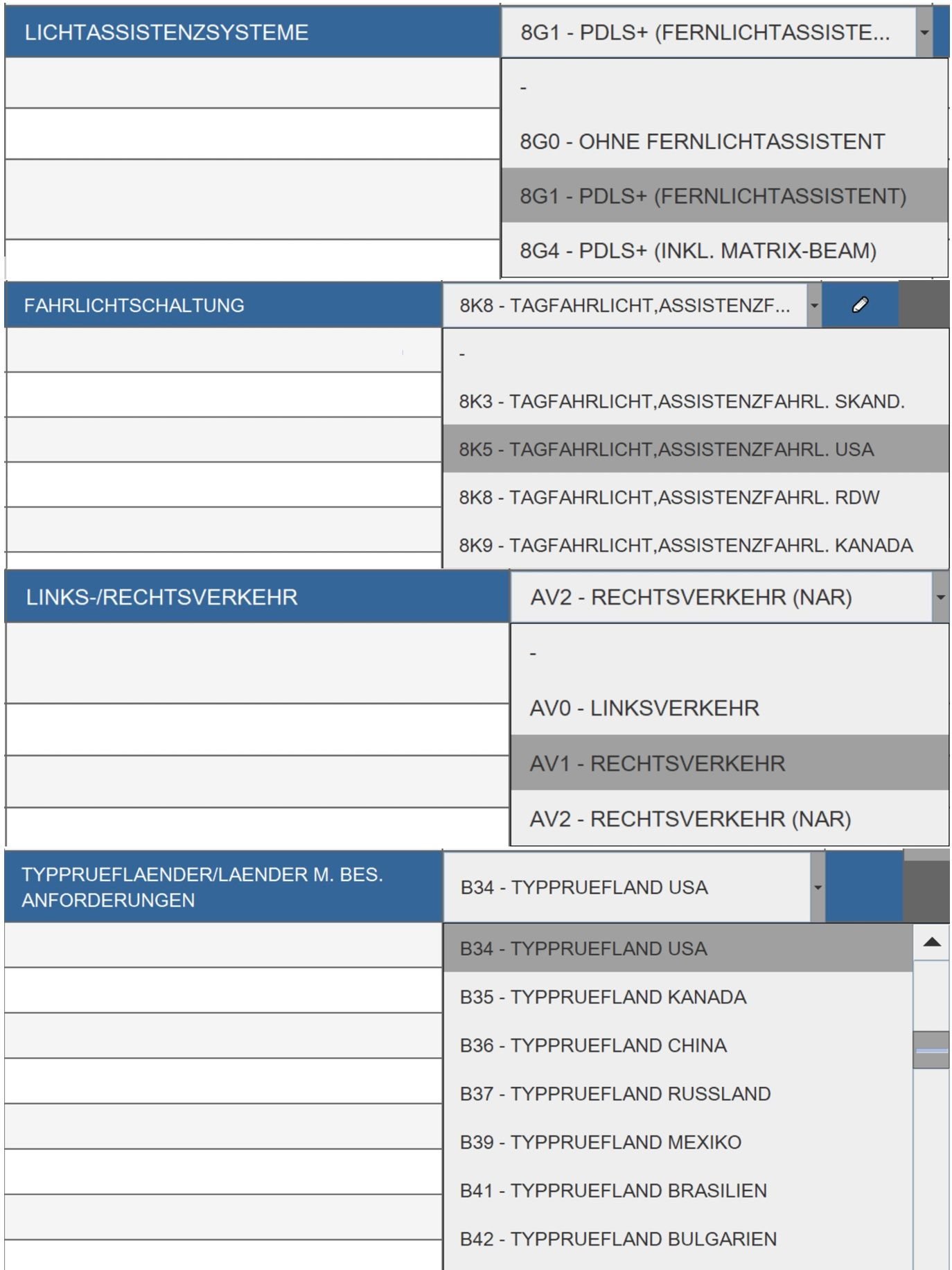
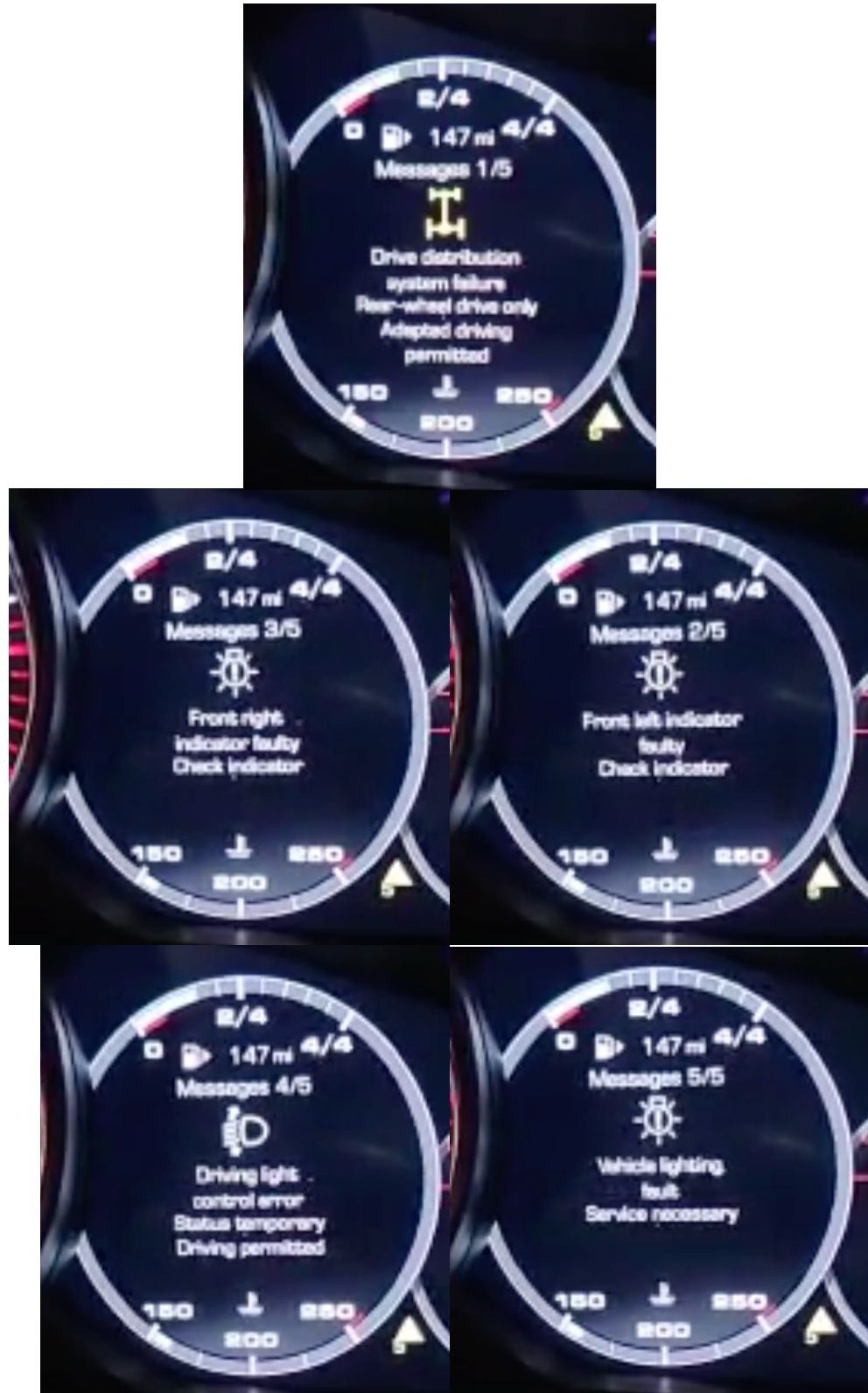
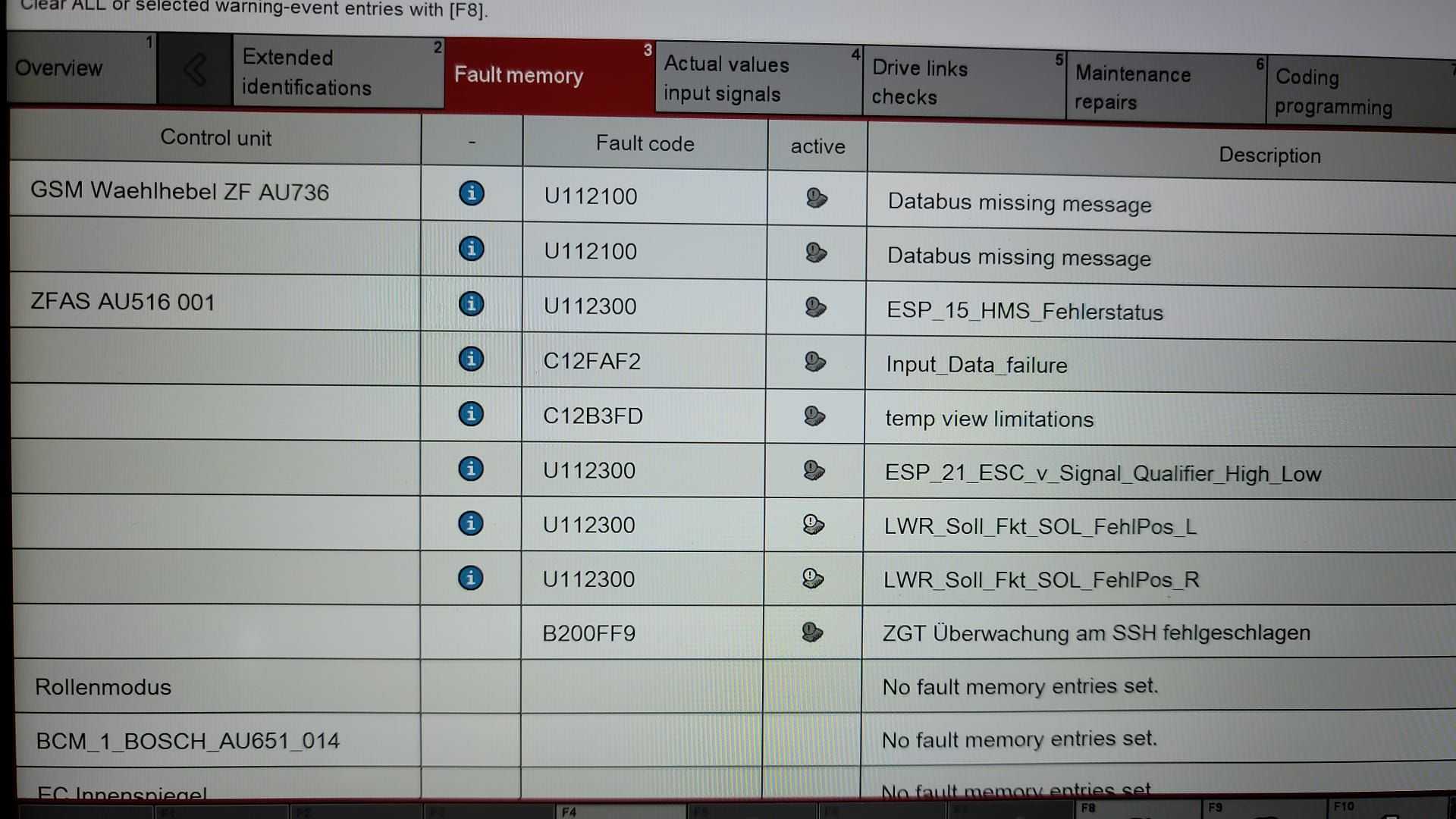
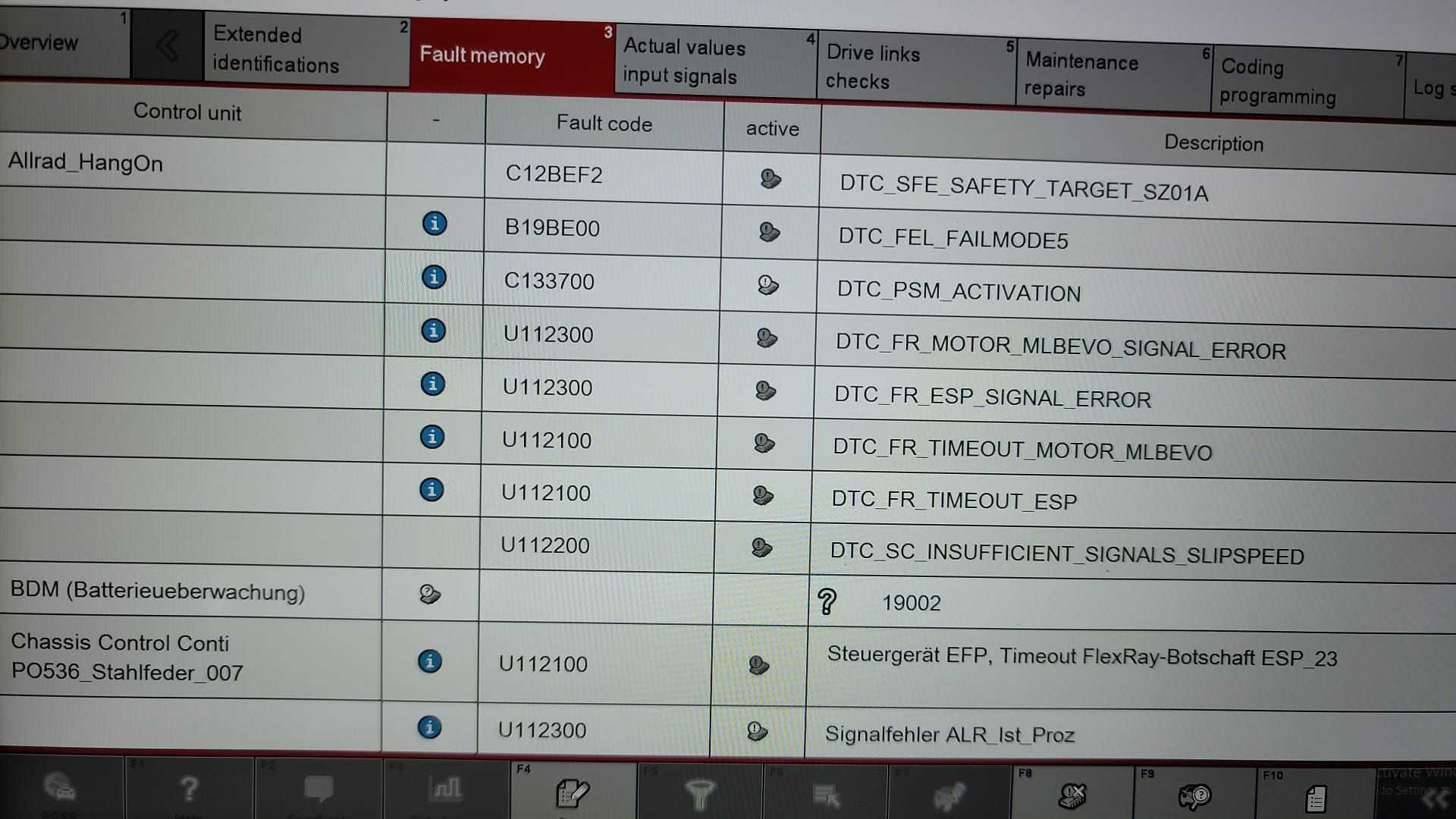
Auto-coding recovery pattern and failure symptoms
Concrete owner report about reverting non-target values and rerunning auto coding after severe symptoms

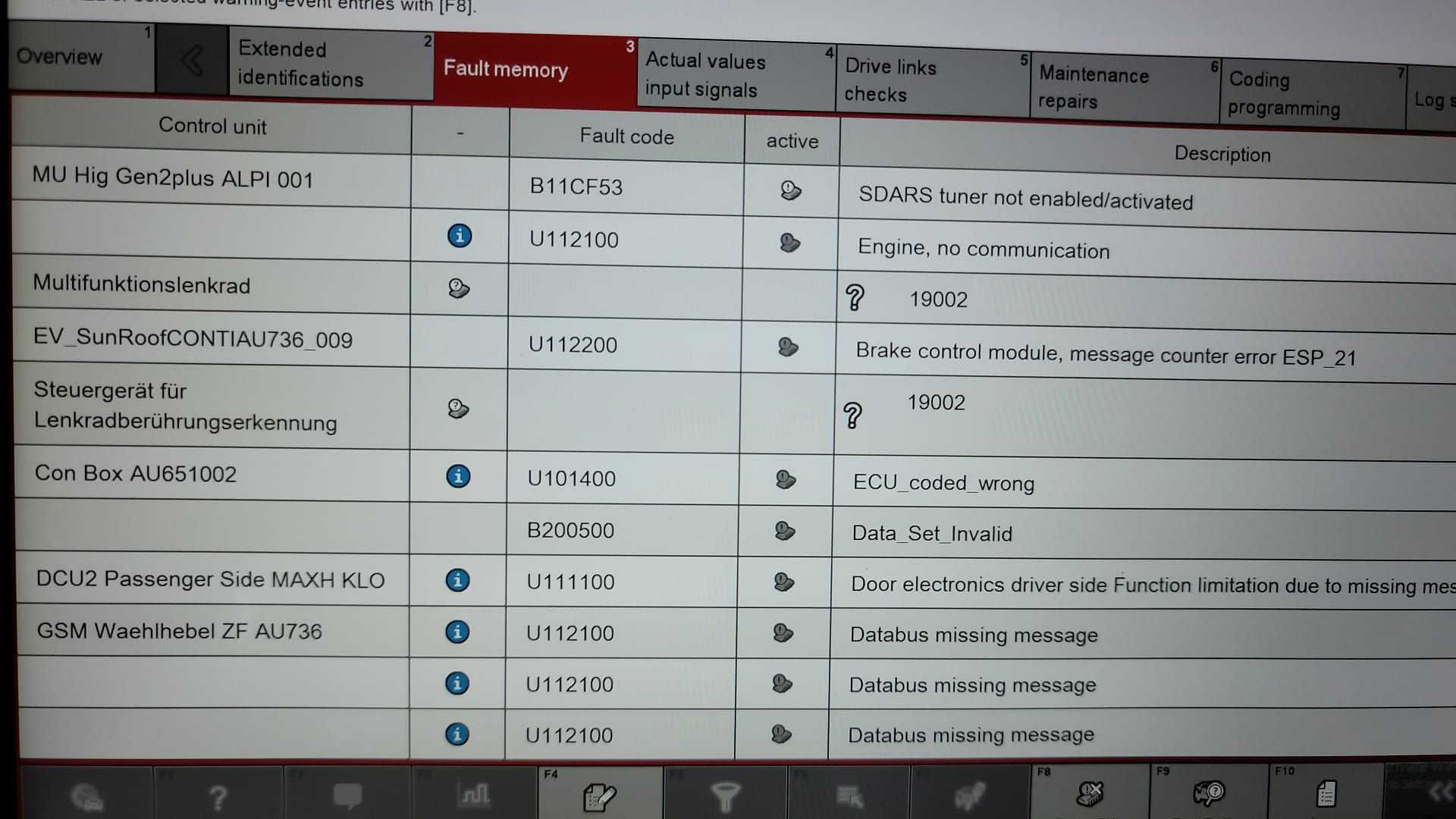
Service VAL backup habit
Useful before/after evidence-capture practice from PIWIS Additional Menu


Engineering Mode trace workflow
Most detailed owner description of saving PIWIS working-protocol XML traces for comparison
Manual versus automatic coding
Sources agree automatic coding can be broad and risky, but they differ on whether it should be avoided, used only as a discovery step, or used for certain...
Target-specific module locations
Selected evidence includes disputed target-feature coding locations, especially auto start/stop; these should be used only to explain why target-specific...
Backup comparison method
Owners agree on before/after capture, but differ on whether full-vehicle VAL/ZDC comparison or per-control-unit Engineering Mode traces are better
Voltage support and battery maintainer cautions
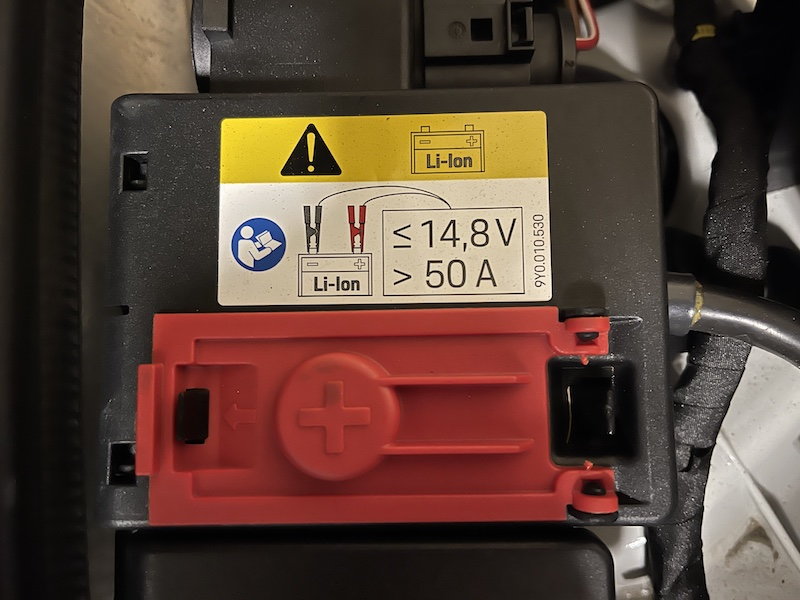
Forum posts repeatedly warn to use substantial external power for PIWIS coding, with owner-reported values ranging from 50+ amps to 70A+, 75A, 80A, and a...
Faults, overwritten coding, and recovery habits
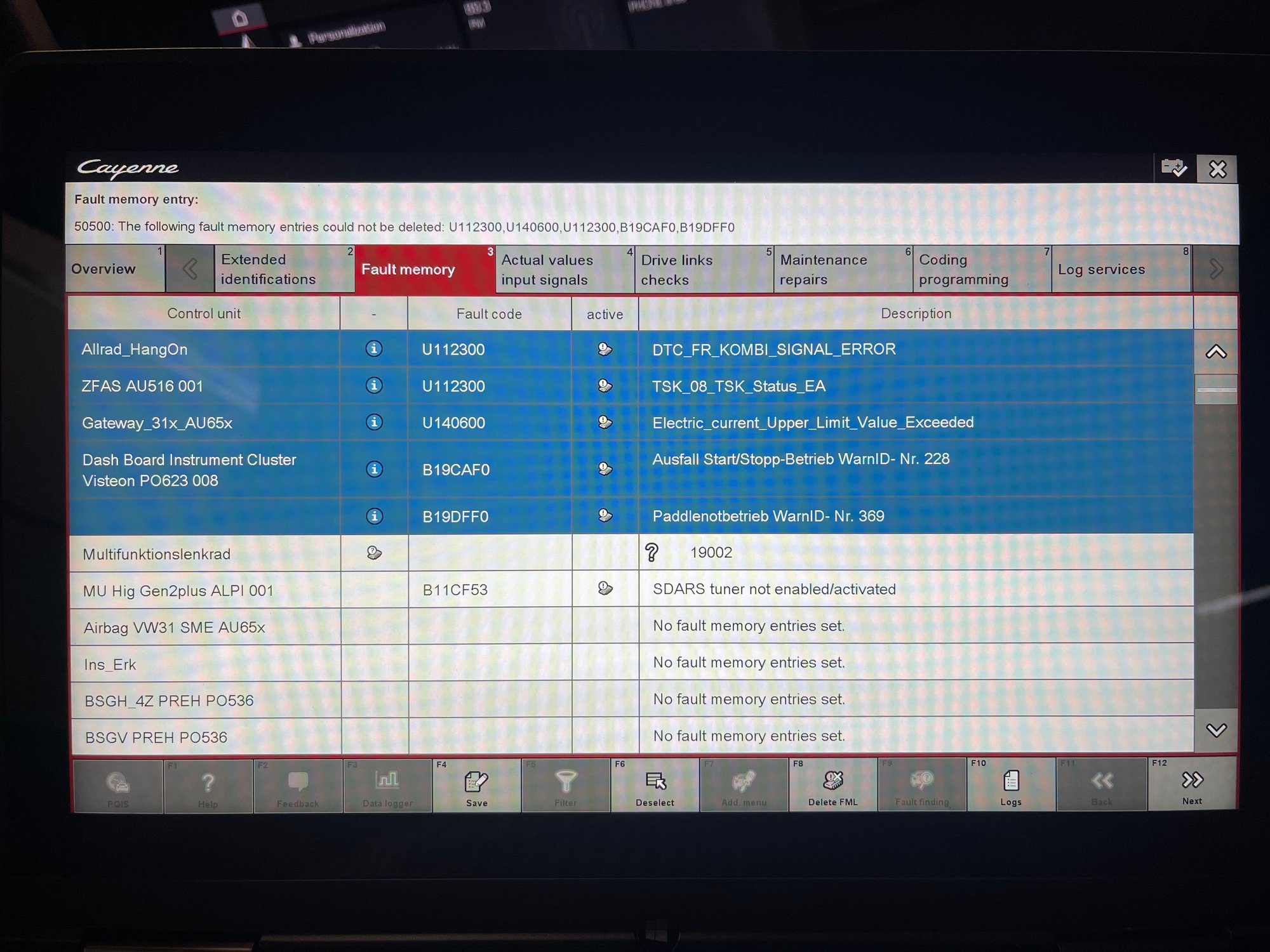
Owners report that coding can produce transient or persistent faults, changed UI behavior, nonworking systems, and erased customizations. Some owners...
Fixed-mode charging and connection uncertainty
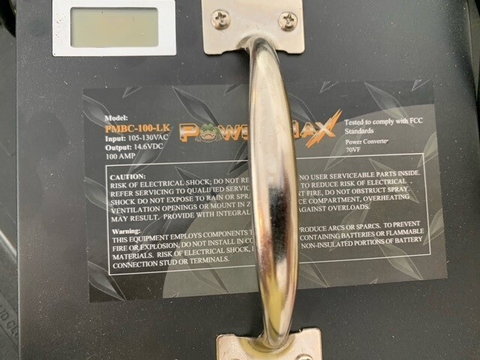
One owner warns that fixed-mode charging can be dangerous if left connected without vehicle consumption. Another owner’s voltage-readout mismatch and...
What the evidence supports
The forum evidence is useful as reusable PIWIS III coding context, not as a universal feature-coding recipe. Owners repeatedly describe 9Y0/E3 coding as experimental work where wrong option data, broad automatic coding, weak power support, or version mismatch can leave faults, erased customizations, or nonworking vehicle behavior (S1, S3, S13, S17: [1], [3], [13], [16]).
Single report: later thread evidence adds a concrete recovery-limit example outside PIWIS III. A Thinkdiag+ user reported accidentally changing a PCM menu VW-coding value from Porsche to Lamborghini; after switching it back, some functions returned but navigation and Bluetooth remained unavailable, and a later dealer software reload still left navigation activation and Bluetooth availability unresolved ([19], [20]).
Single report: the Matrix LED workflow has later owner-result support, but not proof of always-on behavior. A later owner said the Matrix-headlight changes worked for him while also noting that many operating conditions still limit activation, so target Matrix docs should keep the condition limits visible instead of treating coding as unconditional activation ([21]).
Common report: substantial external power is part of the owner-reported setup. Owners mention 50+ amps, 70A+, 75A, 80A, and a paraphrased Porsche 90A recommendation, but the packet does not establish one universal amperage for every owner coding task (S1, S3, S12: [1], [3], [12]). Porsche campaign documents support the general concern: in those specific campaign contexts, Porsche required stable voltage, a suitable high-current charger, and a USB connection between PIWIS and the VCI ([22], [23]).
Jan 1, 2018, 12:00 AM UTCView post
vehicle voltage must be maintained between 13.5 volts and 14.5 volts
Jan 1, 2018, 12:00 AM UTCView post
Battery charger with a current rating of at least 90 A
Common report: before/after capture is the strongest reusable habit in the packet. Owners describe service VALs, Engineering Mode working-protocol XML traces, full VAL/ZDC comparisons, and one-control-unit-at-a-time traces as ways to see what changed; none of those posts prove a guaranteed restore system (S5, S6, S10, S11: [5], [6], [10], [11]).
PIWIS version, hardware, and access
Conflicting reports: the source thread does not establish one universal PIWIS III version for owner coding. Treat version numbers, clone/original hardware, VAS/VCI interface details, Engineering Mode access, and online/PPN behavior as compatibility clues tied to vehicle year, PIWIS build, and the specific coding target, not as settled requirements. S1: [1]
| Reported version or hardware clue | What the thread supports | Source |
|---|---|---|
| PIWIS 3, original or clone | Earliest thread framing says PIWIS 3 was required and that owners were working with original or clone tools; this supports only a broad tool-family requirement, not a specific build. | S1: [1] |
| PIWIS 2 at a shop | One owner moved away from a planned shop after learning it had only PIWIS 2; this supports screening shop capability for E3 coding rather than assuming any Porsche diagnostic setup can perform the target workflow. | [24] |
| VAS6154 license/date access reports | Owners reported a VAS6154 license ending 31.12.2020 and connection workarounds such as setting the PIWIS laptop date back to late December 2020 or 12/1/2020; these are clone/access clues, not validated setup instructions. | [25]; [26]; [27] |
| Module visibility and VCI variability | One owner says some PIWIS/clone combinations do not see modules or manage coding even in Engineering Mode, and a later 41.400/VCX owner reported missing modules and considered OEM VAS6154A or a newer PIWIS build. | [28]; [29] |
| PIWIS 39.8 and 39.9 / 39.7 / 38.2 / 40 | One owner later edited a failed start/stop attempt to say he used PIWIS 39.8; another exchange mentions 39.9, a 39.7 path exposing only PIWIS-ONLINE vehicle-data maintenance, and a reply that 38.2 may help while version 40 may be needed for dashboard encoding. | S13: [13]; [30] |
| PIWIS 40.0 on a 2022 Cayenne | A shop attempt reportedly could not get PIWIS 3 version 40.0 into Engineering Mode on a 2022 Cayenne, and a follow-up says not all PIWIS versions manage coding even when Engineering Mode exists. | [31]; [28] |
| PIWIS 41.400 and clone/VAS 6154-style hardware | The Matrix LED workflow report says it used PIWIS 41.400; the same owner later described a 2019 Cayenne S using PIWIS 41.400 on a modified Chinese-clone setup with a VAS 6154 USB/OBDII dongle rather than the official Porsche VCI. | S3: [3]; [32] |
| PIWIS III Engineering Mode 38.25 | The trace-file comparison workflow is a later owner report using PIWIS III Engineering Mode version 38.25; it supports that build for the described backup/trace workflow, not universal feature coding. | S6: [6] |
Use the version and access table as a preflight checklist before relying on a target procedure. Confirm the exact tool family, PIWIS build, Engineering Mode access, module visibility, VCI/clone hardware, and whether the feature needs online Porsche activation; the thread shows failure modes at each layer rather than a single "PIWIS III works" rule ([24], [31], [28], [25], [27], [33]).
- Ask the shop or tool owner whether it is PIWIS III for the target vehicle, not merely Porsche diagnostics; one owner changed shops after a PIWIS 2-only discovery and another PIWIS III v40.0 attempt could not enter Engineering Mode on a 2022 Cayenne ([24], [31]).
- Verify module visibility with the actual car before editing values; owner reports describe grayed-out lines, missing modules, and VCI/build combinations that may not expose required modules ([28], [29]).
- Treat date/license workarounds on clone VAS6154 setups as evidence of access fragility, not a recommendation to bypass licensing or time checks ([25], [26], [27]).
- For retrofits or features absent from the car at build, check whether Porsche online activation is required before assuming F7 or manual coding is enough ([33], [34]).
Non-PIWIS tool boundary: the thread includes Launch/x431 and Thinkdiag discussions, but they are not interchangeable proof for PIWIS III workflows. One owner describes x431 as a "poor-man's PIWIS" used for maintenance/coding examples, while the Thinkdiag+ PCM incident shows a third-party coding path can expose risky values and recovery may require more than reversing the visible setting ([35], [36], [19], [20]).
Use non-PIWIS posts as context for tool boundaries or target-specific docs, not as evidence that a PIWIS menu path, x431 setting, and Thinkdiag screen have the same semantics ([35], [36], [19]).
Official activation boundary: one report says that for features not present from the factory, local coding may not be the whole job. In the Surround View retrofit exchange, one owner suspected an activation step requiring online PIWIS/Porsche account access and funds, while another said F7 might be worth trying but might not be enough ([33], [34]).
General PIWIS paths and evidence-capture references
| Module/menu path | Reported value | Notes | Source |
|---|---|---|---|
| PIWIS Engineering Mode > Diagnostics > F7 / Additional menu > maintenance data | Vehicle option/default data, then Save (F8) | Reported as the area used before automatic programming; another owner cautions that these are defaults for auto programming, not direct module coding. | S1, S2: [1], [2] |
| All modules > Coding > Automatic Coding | Automatic coding after option/default changes | Broad owner workflow; reported to erase prior custom codings and produce many faults in some cases. | S3, S4: [3], [4] |
| Additional Menu VAL capture | “service” VAL before and after | Owner-reported evidence-capture habit; the post distinguishes service VAL from OBD VAL. | S5: [5] |
| Engineering Mode > selected control unit > encoding menu > manual coding without mcr regeln > F4-save > F10-logs > working log | workingprotocol.xml trace | Owner-reported per-control-unit before/after comparison workflow. | S6: [6] |
| E:\PiwisUserData\PIDT\Protokolle\Arbeitsprotokoll | Working-protocol ZIP/XML location reported by one owner | Single report; useful for locating saved traces, but version/install paths may vary. | S6: [6] |
Preflight checklist
Use this as a preparation and documentation checklist around a target-specific coding document. It does not supply feature values, module choices, or automatic-coding approval by itself.
- Start from target-specific evidence for the exact feature and vehicle; do not reuse module names or option values from another target, because even start/stop module location is disputed in the source thread (S8, S9: [8], [9]).
- Confirm the tool and access path before coding: PIWIS III versus PIWIS 2, Engineering Mode access, visible target modules, VCI/clone behavior, and possible Porsche online activation are all separate checks in the thread ([24], [31], [28], [25], [33]).
- Put the vehicle on substantial external power before coding; owner reports cite 50+ amps or 70A+ for coding work, while Porsche campaign excerpts support at least 90A only in those specific campaign/service contexts (S1, S3, S12: [1], [3], [12]; [22]).
- Keep PIWIS communication stable and follow PIWIS prompts; Porsche campaign instructions support USB connection to the VCI and say the PIWIS instructions take precedence in those official procedures ([22], [23], [37]).
- Capture a before snapshot: owner-supported options include a service VAL from the Additional Menu or Engineering Mode working-protocol XML traces for the control units being compared (S5, S6: [5], [6]).
- Record the original values and limit changes to the smallest target-specific set the evidence supports; owners specifically warn that coding multiple items can make later troubleshooting harder (S1, S3: [1], [3]).
- Treat automatic coding as a broad workflow, not a default shortcut: the source thread says F7/Additional-menu edits can change auto-programming defaults, and one owner reports automatic coding erased prior custom codings (S2, S3, S7: [2], [3], [7]).
- After the change, capture an after snapshot and compare it to the before snapshot; owners split between full VAL/ZDC comparison for broad autocoding and one-control-unit traces for isolated changes, with one poster concluding both methods are usable depending on the job (S5, S6, S10, S11: [5], [6], [10], [11]).
- If faults or bad behavior appear, use the before record as the reference for returning values toward the original state, but do not assume a simple revert will fully recover every coding error; owner reports describe clearing faults and restoring original values as recovery habits, while the later Thinkdiag+ PCM incident remained unresolved after reversal and dealer work (S4, S13, S14, S17: [4], [13], [14], [16]; [19], [20]).
Decision points and unresolved items
| Topic | Confidence | What to carry into target-specific coding docs | Source |
|---|---|---|---|
| Manual versus automatic coding | conflicting reports | Explain the tradeoff. Manual/targeted coding may reduce scope when the module and value are known; automatic coding may be part of some owner workflows but can reset customizations or code modules around missing equipment. | S2, S3, S7: [2], [3], [7] |
| Battery charger rating | common report, exact spec needs verification | Use strong external power language. Do not state one universal owner-coding amperage from this packet alone; official 90A references are campaign-specific support. | S1, S3, S12: [1], [3], [12]; [22] |
| Fixed-mode charging | needs verification | One owner reports using fixed mode for coding but warns against leaving it connected without vehicle consumption; the evidence does not resolve charger mode, terminal location, or voltage-reading mismatch. | S15, S18: [17], [18] |
| Backup comparison method | common report, method varies | Service VAL, full VAL/ZDC comparison, and per-control-unit XML traces are all owner-reported options; choose based on whether the change is broad or isolated. | S5, S6, S10, S11: [5], [6], [10], [11] |
| PIWIS version, hardware, and access | conflicting reports | Treat version, clone/original hardware, VCI, Engineering Mode access, and module visibility as owner-specific until the target procedure or official document gives a requirement. | S1: [1]; [25], [27], [28], [29] |
| Non-PIWIS tools | tool-specific, not interchangeable | Launch/x431 and Thinkdiag posts can show parallel owner experiences, but do not use them as proof that a PIWIS III path has the same setting names, access, or recovery behavior. | [35], [36], [19], [20] |
| Official online activation | single report, needs target confirmation | Some retrofits or features absent from factory equipment may require Porsche online activation, account access, or paid activation rather than only local F7/manual coding. | [33], [34] |
| Recovery limits | common report plus later failure example | Preserve before/after records and original values, but present recovery as a habit, not a guarantee; one later PCM coding incident remained partially unresolved after reversal and dealer work. | S4, S14: [4], [14]; [19], [20] |
| Dealer or official software updates | common report | Keep records of prior coding because owner reports say DME/PCM or broader software updates may partially or fully overwrite custom coding. | S7, S16: [7], [15] |
Cited source posts
37 sources- [1] Rennlist post 17051085
- [2] Rennlist post 17454557
- [3] Rennlist post 18510008
- [4] Rennlist post 18515170
- [5] Rennlist post 18522644
- [6] Rennlist post 19732150
- [7] Rennlist post 17137226
- [8] Rennlist post 17455149
- [9] Rennlist post 17463943
- [10] Rennlist post 19732226
- [11] Rennlist post 19736327
- [12] Rennlist post 17131839
- [13] Rennlist post 17132041
- [14] Rennlist post 17132077
- [15] Rennlist post 17137197
- [16] Rennlist post 17389822
- [17] Rennlist post 17132749
- [18] Rennlist post 17390115
- [19] Rennlist post 20028645
- [20] Rennlist post 20046417
- [21] Rennlist post 20313698
- [22] static.nhtsa.gov source 22
- [23] static.nhtsa.gov source 23
- [24] Rennlist post 18521756
- [25] Rennlist post 17167670
- [26] Rennlist post 17167974
- [27] Rennlist post 17388918
- [28] Rennlist post 18525348
- [29] Rennlist post 19186667
- [30] Rennlist post 17390128
- [31] Rennlist post 18525340
- [32] Rennlist post 18525407
- [33] Rennlist post 17500430
- [34] Rennlist post 17500546
- [35] Rennlist post 17226650
- [36] Rennlist post 17226743
- [37] static.nhtsa.gov source 37